
"Ethiopian bean shape"
1000 article(s) found

The growth environment requirements of Ethiopian coffee beans and the shape of coffee beans are long beans and small round beans.
Professional coffee knowledge exchange more coffee bean information please follow the coffee workshop (Wechat official account cafe_style) Ethiopia's Yirgacheffe coffee is petite, but it is gentle and delicate, sweet and lovely. As the hometown of coffee, thousands of years of planting history and processing tradition in Ethiopia have created high-quality washed Arabica beans. Shallow baking

Introduction to Ethiopian Coffee Grade
Grade of Ethiopian coffee: Ethiopian washed coffee Yega Chuefei G1 G2 Sidamo (Yirgacheffe, Sidamo) has the highest grades 2 and 3 (G2, G3), while sun-processed coffee in eastern Ethiopia is mostly grade 4 or 5 (G4, G5). In many cases, level 4 coffee is marked as level 5 in order to reduce taxes. At present, the classification is not uniform and there are

Ethiopian coffee beans characteristics, Ethiopian coffee grades
Pay attention to coffee reviews (Weixin Official Accounts vdailycom ) and find a beautiful cafe to open its own shop Ethiopian coffee beans are divided into five levels. The first and second stages are water-washed beans. Grade1 means 0~3 defective beans per 300 g of raw beans;Grade2 means 4~12 defective beans per 300 g. Gradc Grade 1 washed beans are extremely rare and generally difficult to buy.

Differences in Taste and shape of Arabica Coffee Bean varieties
Professional coffee knowledge exchange more coffee bean information please follow the coffee workshop (Wechat official account cafe_style) there are three kinds of coffee beans in the world there are only two kinds of coffee beans that are really commercially valuable and have been planted in large quantities. One is the Elaraby species (ARABICA), and the other is the Robasta species (KOBUSTA). Different varieties of coffee beans have different flavors.
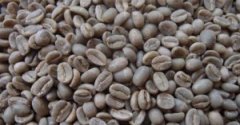
Ethiopian coffee beans, coffee beans
Ethiopia is home to Arabica coffee, and it is in the forests of the Kaffa region that you can see Arabica coffee growing wild. In Ethiopian, coffee is called Bun or Buna, and coffee beans may be translated from Kaffa Bun. Arabica coffee was discovered early in the Harar region, most likely from Karachi.

Introduction to the unique soft and floral flavor of Ethiopian Coffee Manor Coffee
Calla lilies. Perennial herbs in places where rainfall and temperature adapt, and deciduous plants in places where calla lilies are in the dry season. It can grow to 1 to 2.5 meters high. Underground has a rhizome, heart-shaped ovate leaves basal; early summer fleshy inflorescences, there is a funnel-shaped white or milky bud, shaped like a Corolla of people's representative colleges, federal legislation and the highest authority, responsible for

A brief introduction to the flavor and taste characteristics of Ethiopian coffee manor with rich alcohol thickness
In the West, Ethiopian coffee is generally sold on the market as Yega Feixidamo and Harald (Yirgacheffee, Sidamo and Harrar). The highest grades of Ethiopian washed coffee Yega Chuefei G1 G2 Sidamo (Yirgacheffe, Sidamo) are Grade 2 and Grade 3 (G2, G3), while most of the sun-processed coffee in eastern Ethiopia are Grade 4 or Grade 5 (G4, G5).

What are the functions of Arabica coffee
Following caf é (Wechat official account vdailycom) found that Beautiful Caf é opened a small shop of its own Ethiopia is the hometown of Arabica coffee, it is in the forests of the Kaffa region that you can see wild Arabica coffee. In Ethiopian, coffee is called Bun or Buna, and coffee beans (coffeebean) may be turned from Kaffa Bun

Description of Ethiopian Coffee Flavor with Jasmine Flavor introduction to Fine Coffee Bean Manor
Local aborigines often grind the fruit of the coffee tree and knead it with animal fat to make many ball-shaped balls. These indigenous tribes use these coffee balls as precious food for soldiers who are about to go out to battle. It was not until around the 11th century that people began to use boiled coffee as a drink. In the 13th century, Ethiopian troops invaded Yemen

Ethiopian coffee plantation with unique quality and moderate pH
Harar Coffee is produced in the eastern highlands of Ethiopia. It is medium bean-shaped and large

Ethiopian coffee roasting
Following caf é (Wechat official account vdailycom) found that Beautiful Caf é opened a small shop of its own Ethiopia is the hometown of Arabica coffee, it is in the forests of the Kaffa region that you can see wild Arabica coffee. In Ethiopian, coffee is called Bun or Buna, and coffee beans (coffee bean) may be from Kaffa Bun

Introduction to the flavor and taste of Ethiopian Arabica coffee
In the field of boutique coffee, there are also five other small places of coffee, namely Lim, Gemma, Le Campdi, Becca and Limmu, Djimmah, Lekempti, Bebeka and Wolega. The most common is Essesidamo or Harald coffee (Either Sidamo or Harrar coffee). Harald Coffee (HarrarCoffee) is made in Essex.

The flavor and taste characteristics of Ethiopian coffee manor with balanced taste and flavor.
In December 1994, the Constitution of the Federal Democratic Republic of Ethiopia was formulated. According to the Constitution, Ethiopia will implement a federal system and a parliamentary cabinet system after the general election for a term of five years. After the national election in May 1995, the Federal Democratic Republic of Ethiopia was established on August 22, and Meles became prime minister in her capacity as chairman of the majority party of the people's House of Representatives. On May 14, 2000, Ethiopia held a national meeting
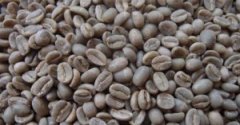
Brief introduction of Coffee from Ethiopia
Lim G2 Ethiopia is the hometown of Arabica coffee, and you can see wild Arabica coffee in the forests of the Kaffa region. In Ethiopian, coffee is called Bun or Buna, and coffee beans (coffee bean) may be translated from Kaffa Bun. Arabica coffee has long been found in the Harald area, which is very accessible.

Introduction of Ethiopian coffee, characteristics of Ethiopian coffee beans
Following caf é (Wechat official account vdailycom) found that Beautiful Caf é opened a small shop of its own Ethiopia is the hometown of Arabica coffee, it is in the forests of the Kaffa region that you can see wild Arabica coffee. In Ethiopian, coffee is called Bun or Buna, and coffee beans (coffeebean) may be turned from Kaffa Bun

Ethiopian Coffee beans | Ethiopian Coffee producing areas | Yilu Babo, Rosa Village
Professional coffee knowledge exchange more coffee bean information please follow the coffee workshop (Wechat official account cafe_style) Ethiopian coffee beans rose summer village garden No. 13 Iru Babo washing Ethiopia Gesha Village Coffee Estate Illubabor Wash production area SNNPR Region Banchmaji (Bench Maji Zone) Gori Gesha Fores

Ethiopian coffee varieties introduction Coffee growing area Manor Eastern Highlands Mountains
Harar Coffee is produced in the eastern highlands of Ethiopia. It is medium bean-shaped and large

Introduction of Ethiopian Coffee beans
Ethiopian beans are easily recognizable, mostly small and pointed long beans, known as longberry, and often mixed with small oval-shaped short beans, called shortberry, which look uneven in size and appearance. The commercial bulk beans of Grade4 or Grade5 are mostly mixed with hundreds of different crystal seeds in different producing areas, so the phenomenon of uneven bean phase is the most obvious.
Ethiopian Coffee Culture the Development of Ethiopian Coffee
Ethiopian Coffee has a long History Ethiopian Coffee has a very important history and culture the highest grades of Ethiopian coffee Yega Xuefei G1 G2 Sidamo (Yirgacheffe, Sidamo) are grade 2 and 3 (G2, G3), while sun-processed coffee in eastern Ethiopia is mostly grade 4 or 5 (G4, G5). In many cases, level four coffee is marked as level five.

There are several grades of Ethiopian coffee.
Ethiopian beans are easily recognizable, mostly small and pointed long beans, known as longberry, and often mixed with small oval-shaped short beans, called shortberry, which look uneven in size and appearance. The commercial bulk beans of Grade4 or Grade5 are mostly mixed with hundreds of different crystal seeds in different producing areas, so the phenomenon of uneven bean phase is the most obvious.